Arthur Tress
Arthur Tress born 24 November 1940
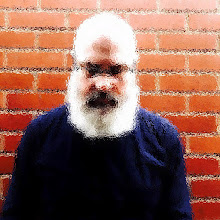
Arthur Tress is a notable American photographer. He is well known for his staged surrealism and exposition of the human body.
A New Yorker, Tress began his photographic career at age twelve, making snapshots of dilapidated mansions and Coney Island decay. An introverted child of divorce, Tress moved between two worlds - his lower-class mother's neighbourhoods and his nouveau riche, remarried father's more prosperous one, observing and eventually photographing both milieus.
As he recalls, from a very young age he was already aware that his sexuality was different from most of his classmates and he was drawn to subject matter that was similarly marginalised and different.
During his studies at Bard College, Tress explored painting and filmmaking but was ultimately committed to still photography. Although he worked in a documentary style, from the beginning his imagery was characterised by a surrealist sensibility.
After graduation Tress traveled the world, in part financed by his father and also supporting himself by making ethnographic and documentary images. During his travels he became increasingly influenced by his experience of other cultures, particularly in matters of spirituality and consciousness.
Tress's first book, The Dream Collector (1972), was an attempt to visualise children's dreams, often featuring children whom Tress had interviewed as models. His second book, Shadow: A Novel in Photographs (1975), showed 'portraits' of the photographer's shadow and explored the idea that the shadow literally and metaphorically represented one's dark side.
Theater of the Mind (1976), which included an essay by his friend and mentor, gay photographer Duane Michals, explored adult fantasies and marked the introduction in Tress's work of overtly erotic imagery.
 Tress's most famous image, Stephan Brecht, Bride and Groom (1970) [right], of the actor in character for his role in The Grand Tarot, is an eloquent, enigmatic exploration of gender and identity that neither denies nor embraces either.
 Around 1972 Tress consciously began to include what he called 'the more intimate spheres of a gay sexuality and homoerotic fantasy life'. Facing Up (1977-1980), alternately titled Phallic Phantasy, was Tress's first explicitly conscious exploration of his sexuality in which he exclusively photographed male nudes.
Many of these images were included in Tress's homoerotic homage, Male of the Species: Four Decades of Photography of Arthur Tress (1999), which culls imagery from Tress's forty-year career of exploring the male body and sexuality. The sensual photographs, sequenced in a loose narrative of experience from youth to death, matter-of-factly infuse male sexuality with humour and irony.
In contrast, Tress's obsessive constructions made and photographed for the Hospital series (1984-1987) are a garish, nightmarish reckoning with health-related issues and death in the era of AIDS.
Tress is an internationally renowned photographer with work in almost every major museum in the world. These include the Whitney, MOMA, Centre Georges Pompidou, Stedelijk Museum, and the International Museum of Photography.
Arthur Tress


Arthur Tress is a notable American photographer. He is well known for his staged surrealism and exposition of the human body.
A New Yorker, Tress began his photographic career at age twelve, making snapshots of dilapidated mansions and Coney Island decay. An introverted child of divorce, Tress moved between two worlds - his lower-class mother's neighbourhoods and his nouveau riche, remarried father's more prosperous one, observing and eventually photographing both milieus.
As he recalls, from a very young age he was already aware that his sexuality was different from most of his classmates and he was drawn to subject matter that was similarly marginalised and different.
During his studies at Bard College, Tress explored painting and filmmaking but was ultimately committed to still photography. Although he worked in a documentary style, from the beginning his imagery was characterised by a surrealist sensibility.
After graduation Tress traveled the world, in part financed by his father and also supporting himself by making ethnographic and documentary images. During his travels he became increasingly influenced by his experience of other cultures, particularly in matters of spirituality and consciousness.
Tress's first book, The Dream Collector (1972), was an attempt to visualise children's dreams, often featuring children whom Tress had interviewed as models. His second book, Shadow: A Novel in Photographs (1975), showed 'portraits' of the photographer's shadow and explored the idea that the shadow literally and metaphorically represented one's dark side.
Theater of the Mind (1976), which included an essay by his friend and mentor, gay photographer Duane Michals, explored adult fantasies and marked the introduction in Tress's work of overtly erotic imagery.
 Tress's most famous image, Stephan Brecht, Bride and Groom (1970) [right], of the actor in character for his role in The Grand Tarot, is an eloquent, enigmatic exploration of gender and identity that neither denies nor embraces either.
 Around 1972 Tress consciously began to include what he called 'the more intimate spheres of a gay sexuality and homoerotic fantasy life'. Facing Up (1977-1980), alternately titled Phallic Phantasy, was Tress's first explicitly conscious exploration of his sexuality in which he exclusively photographed male nudes.
Many of these images were included in Tress's homoerotic homage, Male of the Species: Four Decades of Photography of Arthur Tress (1999), which culls imagery from Tress's forty-year career of exploring the male body and sexuality. The sensual photographs, sequenced in a loose narrative of experience from youth to death, matter-of-factly infuse male sexuality with humour and irony.
In contrast, Tress's obsessive constructions made and photographed for the Hospital series (1984-1987) are a garish, nightmarish reckoning with health-related issues and death in the era of AIDS.
Tress is an internationally renowned photographer with work in almost every major museum in the world. These include the Whitney, MOMA, Centre Georges Pompidou, Stedelijk Museum, and the International Museum of Photography.
Arthur Tress


Labels: Photographers
posted by Peter Jacobs at 12:01 am




0 Comments:
Post a Comment
<< Home